Karim Rahemtulla, Co-Founder, Monument Traders Alliance
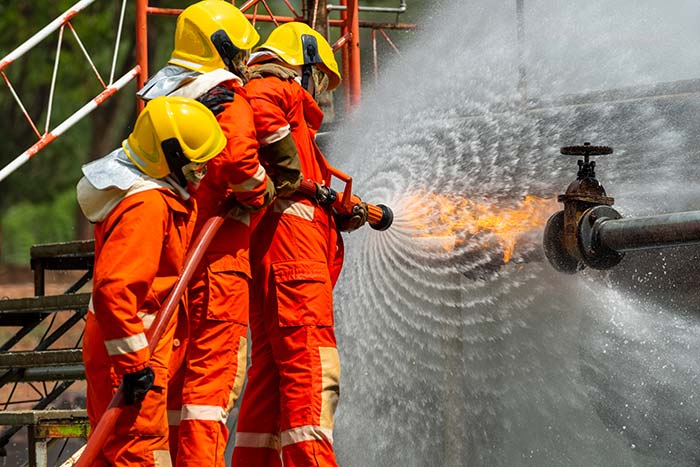
Dear Reader, Yesterday, a warehouse storing Kimberly-Clark products in Ontario, California, burned down. 1.2 million square feet. The roof collapsed. A fire destroyed everything inside. An employee of the third-party logistics company running the building is now in custody on arson charges. KMB fell 5% and hit a 52-week low. That is the lowest price the stock has traded at in the past year. My first thought when I saw the headline was not panic. It was: I wish the stock would drop even more, so I could buy more shares. That reaction comes from 30 years of learning to ask one question before responding to any piece of bad news about a company I own. Is the damage permanent or temporary? That is the only question that matters. Answer it correctly and you will make money on days when everyone else is losing. Answer it wrong, and you will sell the bottom of every panic for the rest of your investing life. What the Market Does Every Single TimeThe market does not stop to ask this question. It reads the headline, calculates the fear, and sells. It treats a warehouse fire the same way it treats a structural collapse of a business model. It treats an external criminal act the same way it treats a fundamental failure of management. It cannot tell the difference. Most investors never notice that gap. That is where the money is. 1982: The Poisoned Tylenol BottlesSeven people in Chicago died after taking cyanide-laced Tylenol capsules. Someone walked into retail stores and tampered with the bottles. The contamination had nothing to do with Johnson and Johnson's manufacturing. An outside criminal committed an act involving their product. The market sold J&J down 30%. J&J pulled 31 million bottles from shelves at a cost of over $100 million, introduced tamper-proof packaging, and handled the crisis with complete transparency. The stock recovered to its previous high in two months. A $1,000 investment made just before the tragedy was worth $22,000 twenty years later. The damage looked catastrophic. It was not. 2020: The Grounded EnginesRolls-Royce Holdings makes jet engines for commercial and military aircraft. Not the car company. That is BMW. The revenue model is built on engine flying hours. That means the number of hours those engines actually spend in the air. Rolls-Royce earns recurring income through long-term service contracts tied directly to flight time. When COVID grounded global aviation, that income stopped. The stock lost over 90% of its value, trading around $0.70 per share. Analysts questioned survival. I saw something different. Only three companies in the world can build engines for wide-body aircraft. Wide-body means the large long-haul planes - your 777s and A350S - the ones that fly international routes. You cannot simply switch suppliers. Certification takes decades, and the switching costs are enormous. Rolls-Royce also held billions in contracted future revenue sitting in 20-plus-year maintenance agreements. Once flying resumed, that recurring income would return automatically. At the lows, the company was trading below what you could sell the parts for. The thesis was straightforward: people would fly again. I did not know if it would take six months or two years. I knew it would happen. One of our War Room members held 184,000 shares. They turned it into millions. From that $0.70 low, the stock has risen over 2,100%. The thesis played out exactly as the business said it would. |









0 Response to "♟ The One Question That Separates Investors From Speculators"
Post a Comment