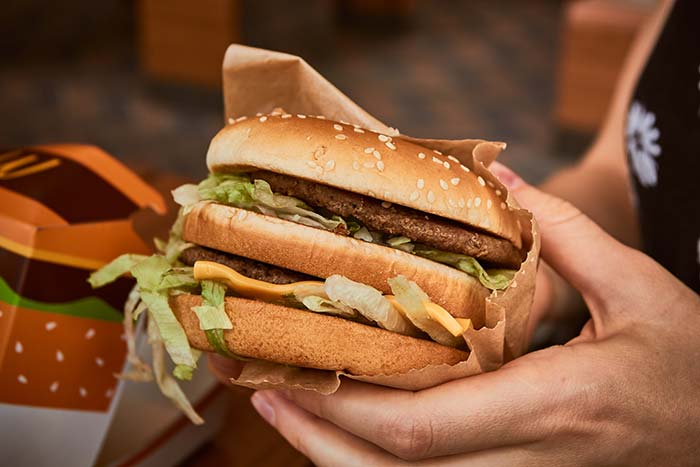
Karim Rahemtulla, Co-Founder, Monument Traders Alliance Dear Reader, A weak dollar is the stated policy of the U.S. government... no matter what it says publicly. One day, the Treasury Secretary says a strong dollar is important. Not the goal, mind you, but important. There's a difference. The next day, President Trump contradicts the Secretary by publicly stating that a weaker U.S. dollar is good for trade. Who are you going to believe? That's why I do my own research. And despite the greenback falling sharply since the beginning of 2025... I'm convinced the dollar has much more room to drop. When I travel, I use a simple test to determine whether the dollar is cheap or expensive. I call it the "Big Mac" test. Anyone can do it... by simply comparing what a Big Mac meal costs in the U.S. versus places overseas. The second major currency worldwide is the euro. And right behind the euro are currencies like pound, the yen, and the yuan. The yuan less so because it doesn't really behave like a free floating currency. Here's what I learned... On a recent trip to Europe, I stopped in at several McDonald's restaurants in three Spanish cities and in London. In Spain, a Big Mac meal cost around $9.50. In London, it was around $10. In the U.S., it's well over $10 in some places and as much as $12 in cities (comparable to London and Barcelona). A few years ago, it would not have been close. The Big Mac meal stateside was always much cheaper. You may scoff at this metric, but magazines like The Economist have been publishing the "Big Mac Index" for decades. Many investors and economists follow it religiously. By this measure alone, the U.S. dollar could easily fall another 10% from here to make it competitive. But there's more. The Fed is under pressure to lower rates and will likely do so a couple more times this year under the new Fed Chairman, once he takes over the reins. Look out below. | 






0 Response to "♟ How I Use the “Big Mac” Test to Measure the Dollar"
Post a Comment