The June Surprise: The SpaceX EffectNow we return to the catalyst sitting just ahead of the market. Seriously, this is something the market has never seen, at least not in my 30+ years of experience. What makes the SpaceX IPO different from every other high-profile listing is the structural pressure it will create on existing capital. The key difference lies in the sheer size of the IPO, expected to be valued at around $2 trillion. But there's more. 30% of the IPO is set to be allocated to retail investors, a jump from the typical 5% to 10% seen in most IPOs. The retail allocation matters because retail investors will need to raise cash to participate.
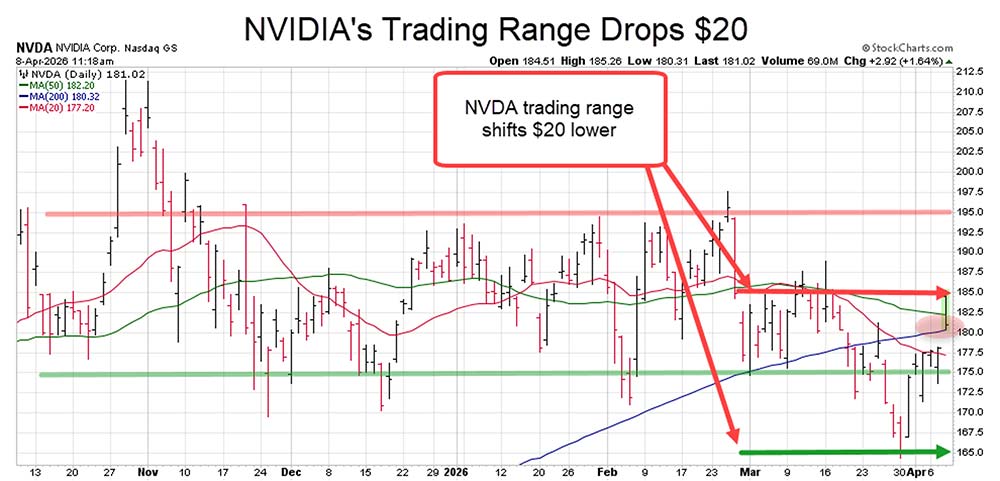
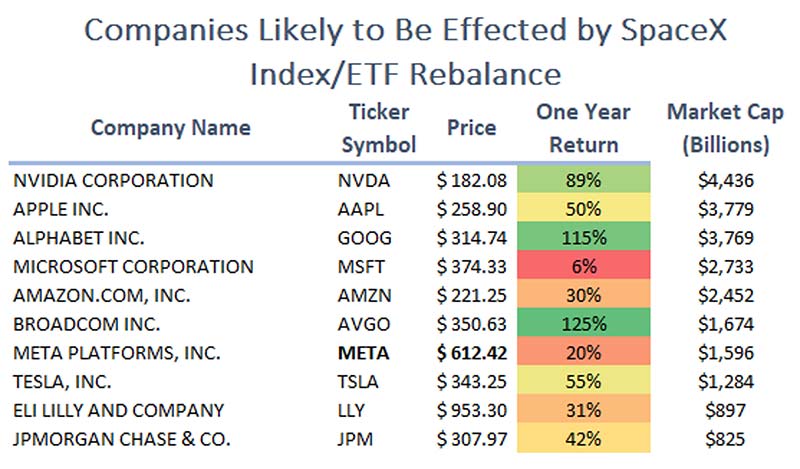
That process inherently creates selling pressure across existing holdings, particularly in stocks that have already delivered strong gains or are no longer market leaders. Nvidia falls into that category as it begins to lose its edge in generating alpha. At the same time, the expected size of the IPO means that SpaceX will quickly qualify for inclusion in major indices such as the S&P 500 and the Nasdaq-100. This introduces a second layer of pressure, as index funds and ETFs will be forced to rebalance their portfolios. Note that the IPO date has not yet been set, but the S&P 500 index is scheduled to rebalance on the third Friday of June. To accommodate a new large-cap addition, these funds must reduce exposure to existing holdings. That process often affects the largest and most widely held stocks, such as Nvidia, Microsoft, and others that dominate index weightings. The result is a mechanical source of selling that is independent of fundamentals or sentiment. When you combine retail-driven selling with institutional rebalancing, the outcome is additional pressure on Nvidia's stock price at a time when its technical structure is already weakening. Nvidia's Key Levels and Downside StrategyWith all these factors in play, Nvidia's pricing becomes critical. The stock must reclaim $185 to break the current pattern of lower highs and lower lows. A sustained move above that level would signal that buyers are regaining control and could invalidate the bearish setup. Failure to break above $185 keeps the current trend intact and points toward a near-term test of $165, particularly if market volatility increases.
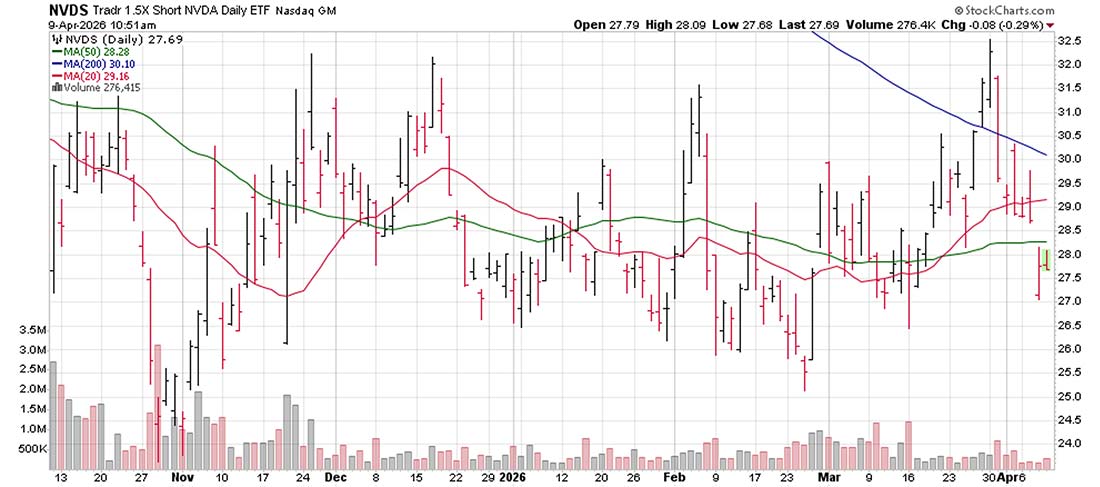
A breakdown below $165 opens the door to $155, which aligns with the stock's 20-month moving average, a key long-term support level, and the line that often separates bull markets from bear markets. Traders looking to position for the downside can use the Tradr 1.5X Short NVDA Daily ETF (NVDS) or intermediate-term put options. I walk through both in detail in the video I share below.
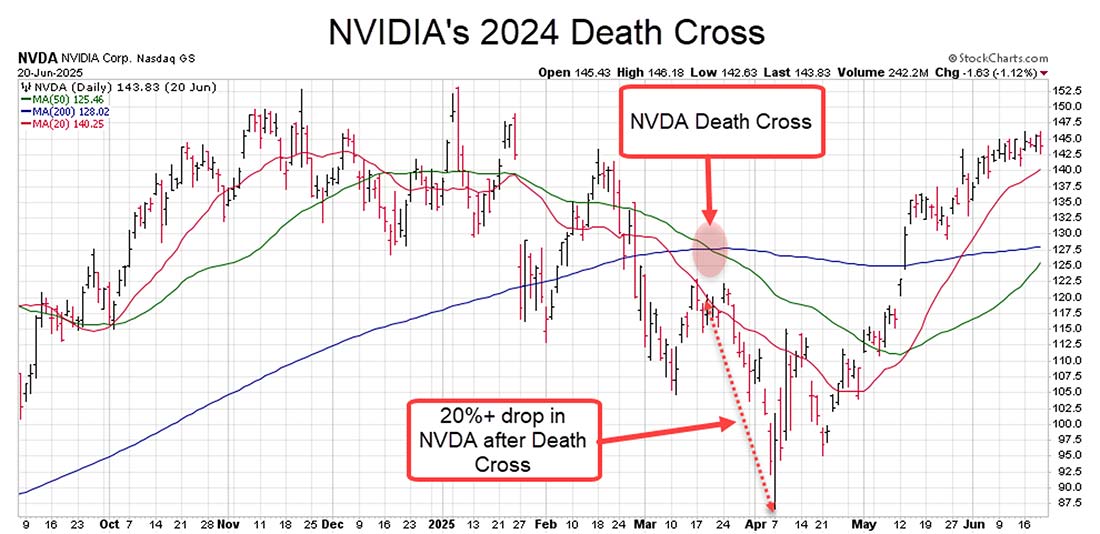
YOUR ACTION PLANNvidia's technical structure is breaking down, the death cross is days away, and the SpaceX IPO is about to create a mechanical selling event unlike anything the market has processed before. This is not about calling the end of Nvidia's long-term story. It's about recognizing that, in the near term, the path of least resistance is lower and positioning accordingly. I break down exactly how to position for it in the video below. Watch the full breakdown here.
| Want more content like this? |
|
|
|













0 Response to "♟ Nvidia's Death Cross and the SpaceX Effect"
Post a Comment