|
Why Markets Don’t Stay the Same
|
|
Many things can change how the market behaves. Think economic conditions, interest rate expectations, investor sentiment, and how big institutions are positioned. Sometimes those changes happen gradually, and other times they can happen just about overnight.
|
|
The challenge is spotting when the market stops rewarding what used to work.
|
|
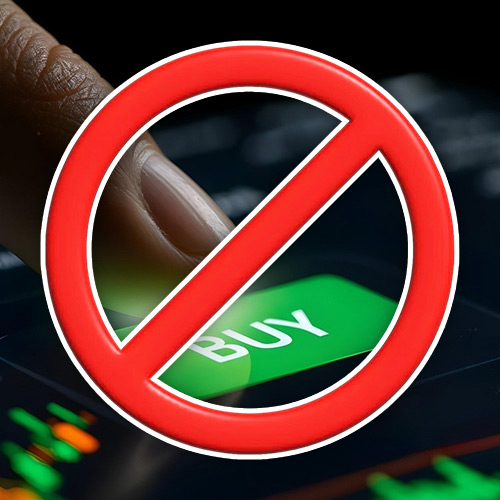
Take the “buy the dip” example above…
|
|
During a strong uptrend, pullbacks are typically short-lived. Buyers step in quickly, momentum returns, and prices push up to new highs. But when the market starts losing momentum, those rebounds can get progressively weaker, with each rally struggling to match the previous one.
|
|
What initially looked like a regular pullback can develop into a much more sustained decline.
|
|
The same applies to other trading strategies. Breakouts with strong follow-through might start fading out. Support levels that repeatedly held start breaking down. Or a market that’s been trading within a relatively predictable range suddenly turns volatile, with prices swinging sharply.
|
|
These are all potential signs that the market’s underlying character is changing.
|
Tune in to Trading With Larry Live 
Each week, Market Wizard Larry Benedict goes live to share his thoughts on what’s impacting the markets. Whether you’re a novice or expert trader, you won’t want to miss Larry’s insights and analysis. Even better, it’s free to watch. Visit us on YouTube to catch the latest! |
|
|
What to Do When Your Strategy Stops Working
|
|
Of course, one losing trade doesn’t necessarily mean a strategy has stopped working. Even the best setups fail from time to time.
|
|
But when familiar patterns repeatedly stop delivering, you need to start paying attention. You can’t ignore warning signs just because your strategy was successful in the past.
|
|
It’s even more dangerous to trade bigger or more often to win back your losses. That assumes your strategy is guaranteed to work again. But that can turn a relatively small setback into a much bigger problem.
|
|
The real answer is to stay prepared to adjust your approach – or even stop trading that market altogether – when the evidence tells you that market conditions have changed. Sometimes the best move is simply to trade less until the market establishes a clear direction.
|
|
Over my career, I’ve learned one thing: You can’t get too attached to a single market view or strategy.
|
|
Ultimately, your job isn’t to trade the market you remember. It’s to trade the market that’s actually in front of you now.
|
|
Regards,
|
|
Larry Benedict
Editor, Trading With Larry Benedict
|
|
|
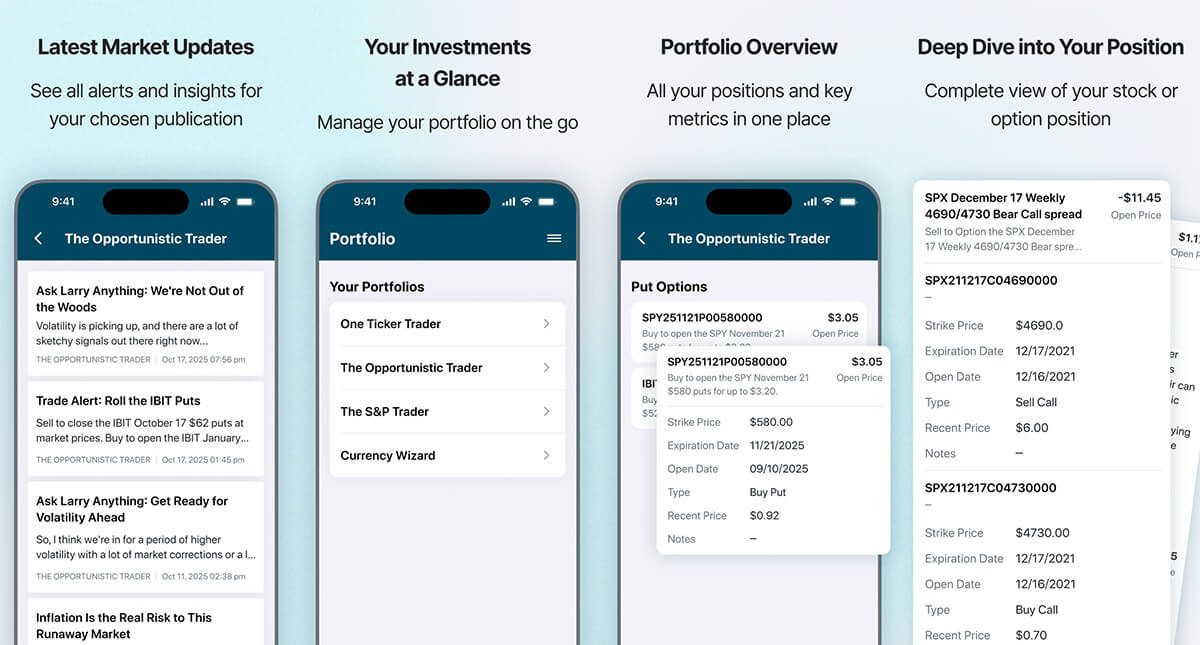
Get Instant Trade Alerts on Mobile!
|
|
|
|
Click the icon below from your mobile device to download The Opportunistic Trader app today for one-tap access to trade alerts, issues, and model portfolios for all of Larry’s services.
|
|
Available in the app store on Android and iPhone.
|
|
|
|
|
|
More stories like this
|
|
Read the latest analysis on hot growth stocks, and market-moving developments
|
|
| Why Round Numbers Aren’t Trading Signals
Round numbers like a 5% Treasury yield or $5,000 gold grab headlines, but they aren't trading signals. Here’s why the market's reaction matters more…
Oct 9, 2026 • 3 min read
|
 |
|
|
|
|
|
|
|
|
|
To ensure our emails continue reaching your inbox, please add our email address to your address book.
This editorial email containing advertisements was sent to penunggangbadai.moneyblog@blogger.com because you subscribed to this service. To stop receiving these emails, click here.
The Opportunistic Trader welcomes your feedback and questions. But please note: The law prohibits us from giving personalized advice.
To contact Customer Service, call toll free Domestic/International: 1-888-208-6550, Mon–Fri, 9am–5pm ET, or email us here.
© 2026 Omnia Research, LLC. All rights reserved. Any reproduction, copying, or redistribution of our content, in whole or in part, is prohibited without written permission from Omnia Research, LLC.
|
|
|
|
|













0 Response to "How to Tell When Your Trading Strategy Has Stopped Working"
Post a Comment